Cute Blue Eyes: A Designer’s Review for Small Business Merch
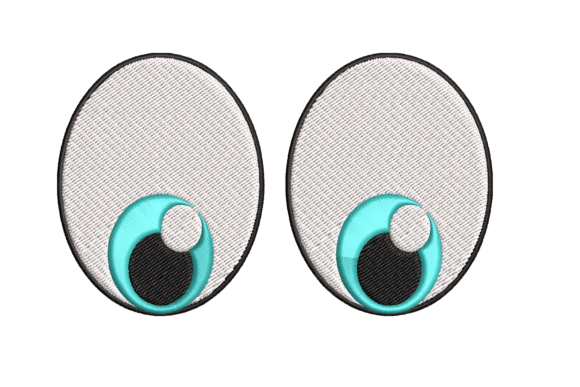
As an experienced embroidery designer, I spend my days evaluating digital files not just for their aesthetic appeal, but for their viability in a commercial setting. When a client or a small business owner brings me a design file, I look past the initial charm and ask: Will this hold up on a uniform? Will it translate well to a tote bag? Does it elevate the brand identity? Today, I am reviewing a design titled Cute Blue Eyes, categorized under Shapes and Embroidery. The description notes that this lovely embroidery design is perfect for kids arts projects and can be stitched on clothes, t-shirts, pillowcases, frame art, home decor, and much more. While the description leans heavily toward hobbyist use, the reality of the embroidery industry demands we look at how such a design functions as a machine embroidery design for branded merchandise.
First Impressions: Visual Personality and Brand Fit
The title "Cute Blue Eyes" immediately sets a tone that is playful, approachable, and friendly. From a design perspective, eyes are a powerful focal point. They create an immediate emotional connection with the viewer, suggesting curiosity, innocence, or engagement. For a small business, particularly one targeting families, children, or creative niches, this visual personality is invaluable. It feels handmade and authentic rather than corporate or sterile.
However, the term "cute" requires careful handling in a professional context. If your brand is high-end luxury or strictly B2B industrial, this design might feel too informal. But for a boutique, a bakery, a pet brand, or a creative studio, the warmth of a stylized eye graphic can significantly enhance brand identity. It signals that the business cares about details and has a human touch. The design likely features clean lines and distinct color blocking (the blue of the iris against white or sclera), which translates well to thread work if executed correctly.
Real-World Application: Where Cute Blue Eyes Shines
Let us imagine a specific scenario: You run a local café or a handmade soap shop. You want to expand your revenue streams by offering branded merchandise. Here is how Cute Blue Eyes performs as an embroidered patch or direct-to-garment accent in various real-world applications.
- Staff Uniforms and Aprons: Placing a small pair of eyes on the chest pocket of a barista apron or a baker’s shirt adds a whimsical touch without being distracting. It serves as a subtle brand mark that staff might actually enjoy wearing. Unlike a large logo, it is unobtrusive yet recognizable.
- Tote Bag Design: Tote bags are ubiquitous for crafters and Etsy sellers. Stitching this design near the handle or centered on the canvas creates a memorable handmade product. The contrast of the blue thread against natural cotton or black canvas will pop, making it an excellent impulse-buy item for customers.
- Cap Embroidery: Caps are a staple of merch. However, curved surfaces present challenges. If the design is simple enough, it can sit perfectly on the front panel of a baseball cap, offering a modern, minimalist look. It works well for promotional events where you want something less generic than a standard text logo.
- Product Packaging Accents: Beyond apparel, consider stitching this onto fabric gift tags attached to your products. A small embroidered tag featuring the eyes adds immense perceived value to items like candles, soaps, or baked goods. It transforms a standard package into a premium finished product.
- Custom Apparel for Kids: As the description suggests, this is ideal for children’s clothing. For a family-oriented brand, adding these eyes to a onesie or a child’s hoodie creates a unique selling proposition that stands out in a crowded market.
Strategic Considerations and Limitations
No design is universally perfect. As a designer, I must highlight areas where Cute Blue Eyes requires caution to ensure a professional result. Poor execution can damage customer trust and make a brand look amateurish.
- Small Patch Sizes: If you intend to use this as a small patch, detail loss is a major risk. If the eyes rely on tiny stitches for eyelashes or fine shading, they may blur together when stitched at 2 inches wide. Always test the design at its intended final size before mass production.
- Curved Surfaces: Embroidering on caps or sleeves involves curved hoops. Designs with sharp corners or extreme asymmetry can distort. Ensure the design balances well when wrapped around a curve.
- Fabric Texture and Stability: This design relies on smooth thread coverage. On highly textured fabrics like heavy tweed or loose-weave burlap, the definition of the eyes may be lost. Additionally, dark uniforms require a dense underlay and potentially a backing stabilizer to prevent the blue thread from looking muddy or transparent.
- High Stitch Density: If the design uses excessive satin stitches for the outlines, it may become stiff and uncomfortable to wear, especially on delicate fabrics. Check the stitch density to ensure comfort alongside aesthetics.
Impact on Brand Identity and Customer Trust
In the world of small business, consistency is key. Using a cohesive set of design assets helps build recognition. If your brand voice is playful and welcoming, a design like Cute Blue Eyes reinforces that message visually. Customers associate the quality of the embroidery with the quality of your core product. A crisp, well-stitched eye graphic suggests attention to detail. Conversely, a puckered or misaligned stitch job can signal carelessness.
Furthermore, unique embroidery designs foster buyer engagement. People love personalized or distinctive items. By offering merchandise with a clever, eye-catching design, you encourage social media sharing. When a customer posts a photo of their new tote bag with the cute eyes, they are effectively marketing your brand to their network. This organic reach is priceless for growing a small business merch line.
Practical Designer Notes for Production
Before you commit to printing or embroidering Cute Blue Eyes for your next launch, follow these essential steps to avoid costly mistakes:
- Test in Black and White: Convert the design to grayscale first. This helps you evaluate the contrast and balance without the distraction of color. If it doesn’t read clearly in monochrome, it may lack the structural integrity needed for thread work.
- Check Thread Color Contrast: Ensure the chosen thread colors provide sufficient contrast against your target fabric. Light blue on white may wash out; dark navy on black may disappear. Select threads that pop.
- Confirm Hoop Size and File Format: Verify that the digital embroidery file fits within your machine’s hoop capabilities. Also, confirm the file format (e.g., .dst, .pes, .jef) is compatible with your equipment.
- Use Proper Stabilizer: The choice of stabilizer (cut-away vs. tear-away) depends on the fabric. For stretchy knits used in t-shirts, a cut-away stabilizer is crucial to prevent distortion over time.
- Create a Printable Mockup: Before sewing, generate a printable mockup to show clients or stakeholders. This allows for approval on placement and scale without wasting materials.
- Review Commercial Licensing: Most importantly, check the license terms. Even if the description mentions it is for kids' projects, verify if you have the right to use it for commercial embroidery and resale. Unauthorized use can lead to legal issues.
In conclusion, Cute Blue Eyes is a versatile asset that can add character and charm to your custom apparel and home decor lines. By understanding its strengths and limitations, you can leverage this design to create memorable, high-quality merchandise that resonates with your audience. Whether used as a subtle accent on a uniform or a bold statement on a tote bag, it offers a blend of professionalism and playfulness that modern consumers appreciate.