Mylar Ellie Elephants Review
As an embroidery designer who has spent years translating digital art into tactile, wearable experiences, I am always on the lookout for designs that bridge the gap between whimsical charm and commercial viability. Recently, I evaluated a design file titled Mylar Ellie Elephants with a specific project in mind: a limited-edition sweatshirt drop for a small boutique brand targeting parents and young families. This review explores how this Baby Animals category piece performs as a premium apparel decoration, offering insights for Etsy sellers, small shop product creators, and anyone looking to elevate their custom apparel offerings.
First Impressions and Aesthetic Appeal
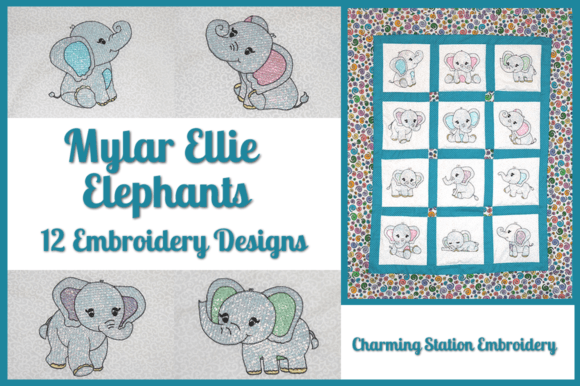
The moment you open the file for Mylar Ellie Elephants, the intent is clear. The description notes a set of twelve sweet baby elephants, but in practice, these are likely arranged in a cohesive cluster or pattern rather than a scattered mess. For a sweatshirt collection, the layout is crucial. My initial assessment suggests that the design possesses a playful yet structured personality. It isn’t just cute; it feels decorative enough to stand alone as a statement piece.
The defining feature here is the use of Mylar thread. In the world of machine embroidery, adding metallic or reflective elements like Mylar transforms a standard stitch-out into something that catches the eye. The description mentions that light hits the Mylar between rows of stitching, creating a sparkle. This is a game-changer for sweatshirt embroidery. On a matte cotton fleece, that subtle shimmer adds a layer of perceived value that plain polyester threads simply cannot match. It gives the finished product a "premium" feel without requiring an expensive garment base.
Application on Sweatshirts and Hoodies
When visualizing this design on actual garments, several scenarios come to mind. The primary application would naturally be a chest placement on an oversized hoodie. However, the versatility of Mylar Ellie Elephants allows for creative branding strategies:
- Chest Placement: Centered on the left chest, the design acts as a subtle logo-like element. If printed on a neutral oatmeal or heather grey sweatshirt, the Mylar threads will pop against the soft fabric texture.
- Sleeve Accents: For a more youthful, streetwear-inspired look, placing a smaller iteration of the elephant cluster on the cuff or upper sleeve can create a balanced asymmetry.
- Back Designs: If the full set of twelve elephants is available as a single large composition, it could serve as a striking back print on a cozy seasonal pullover, perfect for holiday marketing campaigns.
I also considered color pairing. While the design works well on neutrals, I tested the concept mentally on pastel colors like blush pink or mint green. The contrast might be softer, which leans into a "rustic" or "minimal" aesthetic. However, for maximum impact, I recommend dark fabrics like navy or charcoal black. The darkness makes the Mylar sparkle significantly brighter, appealing to buyers who want their handmade product to have high visual recognition.
Thread Colors and Contrast
One of the most critical aspects of evaluating any embroidery file is the thread palette. Since the prompt highlights the sparkle of the Mylar, the underlying thread colors must complement rather than compete. If the elephants are stitched primarily in white or silver Mylar, they will shine brilliantly on dark backgrounds. If the design incorporates multi-color satin stitches for the bodies, ensure those colors are rich enough to hold up against the sheen of the metallic accents. For a boutique brand, consistency in thread colors across a collection builds trust and identity.
Technical Considerations for Production
From a technical standpoint, moving from a digital preview to a physical finished product requires careful planning. Here is what every designer needs to consider before running production runs:
Stitch Density and Fabric Thickness
Sweatshirt fabric is thick and often has a looped interior. A dense fill stitch can cause the fabric to pucker or become stiff, ruining the drape of the garment. You must check the stitch density of the Mylar Ellie Elephants file. If the density is too high, consider digitizing a lighter version or using a cut-away stabilizer to support the weight. Conversely, if the design is mostly outline-based with sparse fills, it may lack the substance needed to anchor itself to heavy fleece.
Stabilizer Choice
For commercial embroidery on hoodies, a tear-away stabilizer is rarely sufficient. A high-quality cut-away stabilizer is essential to maintain the integrity of the design after multiple washes. The Mylar thread, being slightly stiffer than standard rayon, can pull if not supported properly. Ensuring the hoop placement is centered and the fabric is taut will prevent shifting during the run.
Hoop Size and Readability
Check the recommended hoop size for the design. If the file is designed for a 4x4 inch hoop, it may be too small to convey the detail of twelve elephants clearly on a sweatshirt. A larger hoop (such as 5x7 or 6x10) usually provides better proportionality for outerwear. If the design is scaled down too much, the individual elephant details may become muddy, losing the "sweet" appeal described in the product info.
Brand Value and Market Positioning
Why does this matter for your business? In the crowded market of digital sellers and Etsy shops, differentiation is key. Using a unique design like Mylar Ellie Elephants signals attention to detail. Customers associate the sparkle of Mylar with higher quality and special occasion wear, even if the item is everyday apparel.
This design supports strong lifestyle product photography. When you photograph your small shop product, the way the light hits the embroidery creates natural depth and interest in your images. This translates to higher click-through rates on listings and better engagement on social media platforms like Instagram and Pinterest. It turns a simple sweatshirt into a "design asset" that customers want to showcase.
Building Buyer Trust
Transparency in your listing descriptions helps build buyer trust. Mentioning the specific materials used—such as the inclusion of Mylar threads—adds educational value. Buyers appreciate knowing why a handmade item costs more. Explaining that the sparkle comes from a specialized thread technique reinforces the craftsmanship behind the custom apparel.
Practical Next Steps for Designers
Before committing to a full production run, I strongly advise the following steps:
- Verify File Specifications: Ensure you have the correct embroidery file format for your machine (e.g., .pes, .dst, .exp). Confirm the exact stitch count and hoop dimensions provided by the designer.
- Test Stitch-Outs: Always embroider a test sample on the actual fabric you plan to sell. Check for puckering, thread tension issues, and overall aesthetic balance.
- Wash Testing: Wash and dry the test garment multiple times. Mylar threads can sometimes be prone to snagging if not anchored correctly. Ensure the design holds up to real-world use.
- Create Printable Mockups: Use high-resolution scans of your test stitch-outs to create printable mockup assets for your online store. This allows you to list the product before investing in inventory.
Conclusion
Mylar Ellie Elephants represents a thoughtful blend of charm and technical sophistication. It is not just a cute animal design; it is a strategic choice for brands aiming to add a touch of luxury to casual wear. By paying attention to fabric texture, stabilizer selection, and color contrast, you can transform this machine embroidery design into a best-selling item for your boutique. Whether you are launching a new line of baby gifts or expanding your adult apparel collection, this design offers a versatile foundation for creative expression and commercial success.
Remember, the magic lies in the execution. Take the time to perfect your setup, and let the sparkle of the Mylar do the talking. Your customers will notice the difference, and your brand identity will benefit from the elevated presentation.