Quiltblock Patterns 5.3“ 138 Mm
As an embroidery designer who spends half my life staring at stitch density charts and the other half dreaming up boutique collections, I am always hunting for that perfect intersection of nostalgia and modern wearability. When browsing Creative Fabrica embroidery options for a new line of apparel, I recently came across the Quiltblock Patterns 5.3“ 138 Mm set. At first glance, it looks like a simple geometric addition to any library, but having reviewed the technical execution and visual impact, I see far more potential here than just a standard patch.
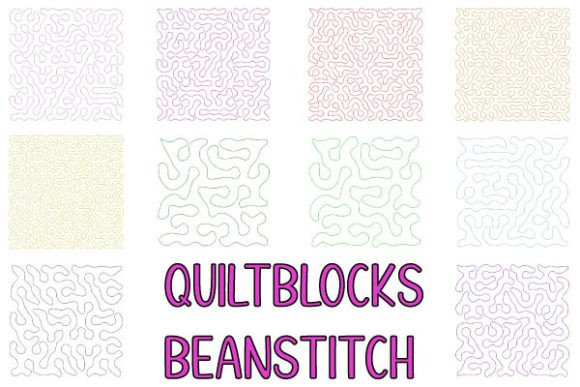
This is not just another background element; it is a statement piece built on heritage aesthetics. The product description notes that these designs are expertly stitched with the triple bean stitch technique, bringing a touch of elegance that transforms how light hits the fabric. For those of us creating custom apparel or running an Etsy seller shop focused on handmade goods, understanding how this specific texture translates to wearable art is crucial.
First Impressions: Visual Personality and Stitch Mood
The immediate draw of Quiltblock Patterns 5.3“ 138 Mm is its textural promise. Unlike flat satin stitches that can look glossy and synthetic under harsh lighting, the triple bean stitch creates a matte, organic surface. This mimics the hand-stitched look of traditional quilting, which resonates deeply with consumers looking for authentic, handmade product vibes. The mood is rustic yet refined—perfect for brands aiming for a cozy, farmhouse-chic aesthetic or a minimalist Scandinavian style.
The scale of 5.3 inches (138 mm) is significant. It is large enough to command attention on a chest placement but compact enough to serve as a sophisticated accent on a sleeve or pocket. In terms of decorative strength, these designs feel premium without being overwhelming. They strike a balance between playful and classic, making them versatile for both feminine and gender-neutral collections.
Application in Boutique Apparel and Sweatshirt Projects
When planning a small sweatshirt or hoodie collection, placement is everything. Here is how I envision Quiltblock Patterns 5.3“ 138 Mm performing across different garment types:
- Sweatshirt Embroidery: On neutral heather grey or oatmeal sweatshirts, the quilt block pattern provides a striking contrast if paired with dark thread colors. The texture of the fleece allows the triple bean stitch to settle beautifully, creating depth that photographs exceptionally well for social media graphics.
- Hoodie Chest Placement: A single quilt block centered on the chest offers a clean, branded look. Alternatively, clustering three smaller blocks from the set could create a larger, custom graphic. This works particularly well for hoodie design projects targeting young adults who appreciate subtle details over loud logos.
- Sleeve Accents: Because the design is contained within a manageable width, it fits perfectly along the forearm. This adds a "hidden gem" detail that customers discover only when they move, increasing engagement with the brand.
- Oversized Garments: On oversized tees or boxy hoodies, the geometric nature of the quilt block grounds the loose silhouette. It adds structure to the visual flow of the garment, preventing the outfit from looking too shapeless.
- Denim Jackets: Denim’s rugged texture pairs surprisingly well with the softness implied by the bean stitch. Placing this on the back yoke or the left breast pocket elevates a basic denim jacket into a high-end boutique brand item.
- Tote Bags: For lifestyle product photos, a quilt block embroidered on a canvas tote bag suggests durability and care. It appeals to the same demographic that buys commercial embroidery products for their daily carry items.
Technical Performance and Design Versatility
From a production standpoint, the versatility of this machine embroidery design is impressive. The triple bean stitch is generally forgiving, meaning it tolerates slight variations in tension better than complex fill stitches. This makes it ideal for small shop product owners who may be working with mixed fabric batches.
For digital sellers and printable mockup creators, this design is a goldmine. The geometric precision of the quilt block ensures that even in low-resolution previews, the design remains legible and attractive. It helps establish visual consistency across an online store, whether you are listing finished physical goods or selling the digital embroidery file itself to other crafters.
However, designers must consider stitch density. While the triple bean stitch is efficient, overlapping blocks can create bulk. On stretchy fabric like thin jersey knits, this bulk might cause puckerage if not stabilized correctly. Therefore, careful selection of the stabilizer is non-negotiable. For woven cottons used in tote bags or structured jackets, the stability is less of a concern, allowing the design to shine.
Strategic Use and Areas of Caution
While Quiltblock Patterns 5.3“ 138 Mm is highly adaptable, there are specific scenarios where caution is advised. Avoid placing dense areas of the design directly over ribbed cuffs or collars, as the elasticity of the fabric texture will distort the geometric integrity of the quilt block. Similarly, on dark garments, ensure your chosen thread colors have sufficient contrast. A dark navy block on black fabric will disappear, whereas a cream or pastel block will pop elegantly.
Be mindful of curved surfaces. If attempting to embroider this on a hat crown or a rounded shoulder seam, the flat geometry of the quilt block may not follow the contour naturally. It is best suited for relatively flat planes like the front panel of a hoodie or the side of a tote bag. Additionally, while the design is robust, avoid using it for tiny lettering or intricate details that require microscopic precision; let the bold geometric shapes do the talking.
Impact on Brand Identity and Customer Trust
In the crowded market of custom apparel, quality signals trust. Using a well-executed design like Quiltblock Patterns 5.3“ 138 Mm communicates that you care about finish and detail. Customers associate neat, textured stitching with durability and value. When a buyer sees the triple bean stitch catching the light, they perceive a higher monetary worth, which supports premium pricing for your finished product.
Furthermore, the nostalgic appeal of quilt patterns fosters an emotional connection. It taps into feelings of comfort and home, which can enhance customer engagement beyond a simple transaction. For creative entrepreneurs building a lifestyle brand, this alignment between product aesthetic and consumer sentiment is invaluable.
Practical Designer Notes for Production
Before committing to a full production run, I strongly recommend the following steps to ensure success with this embroidery file:
- Test on Scrap Fabric: Always stitch out a sample on the exact fabric you plan to use. Check how the triple bean stitch interacts with the weave.
- Check Stabilizer Choice: Determine if a cut-away stabilizer is needed for knit fabrics to prevent distortion during washing.
- Review Thread Color Contrast: Experiment with variegated threads vs. solids. Solids often highlight the stitch definition better, while variegated threads can add a whimsical twist.
- Confirm Hoop Size: Ensure your machine’s hoop accommodates the 5.3-inch width comfortably, leaving room for precise positioning.
- Inspect Stitch Density: Zoom in on the digitization to check for any overly dense areas that might break needles or thread.
- Verify Licensing: Check the Creative Fabrica product details regarding commercial use rights before selling finished apparel to ensure you are compliant.
Ultimately, Quiltblock Patterns 5.3“ 138 Mm is a thoughtful addition to any embroidery library. It bridges the gap between traditional craft and modern streetwear, offering apparel decorators and small clothing brands a reliable tool for creating distinctive, high-quality collections. By paying attention to fabric choice and placement, you can transform this simple geometric pattern into a signature element of your brand identity.