Soft Coated Wheaten Terrier Embroidery Review
As an embroidery designer who spends countless hours digitizing and testing designs for both personal passion projects and commercial client work, I am always on the lookout for character-rich motifs that translate well from screen to fabric. Recently, I evaluated a Soft Coated Wheaten Terrier design available through Creative Fabrica. My goal was simple: determine if this embroidery file holds up under the pressure of real-world production, particularly for small business owners looking to create high-quality custom apparel, personalized gifts, or boutique merchandise.
The Soft Coated Wheaten Terrier, often affectionately called a "Wheatie," is known for its distinctive soft, wavy coat and expressive eyes. In the world of dog breeds, they are energetic, friendly, and photogenic. Translating that specific personality into thread is a challenge. Does the design capture the fluffiness? Does it look stiff or natural? After reviewing the visual mood and stitch details, here is my honest assessment of how this design performs in actual embroidery projects.
First Impressions and Visual Appeal
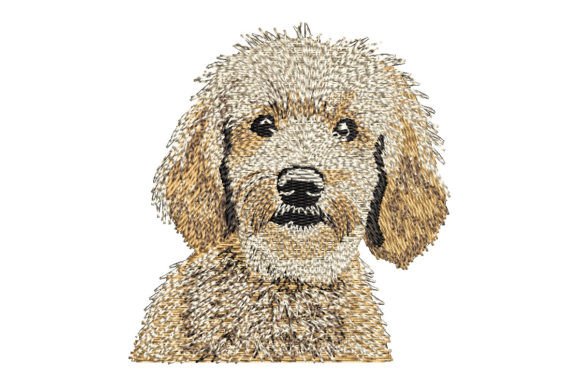
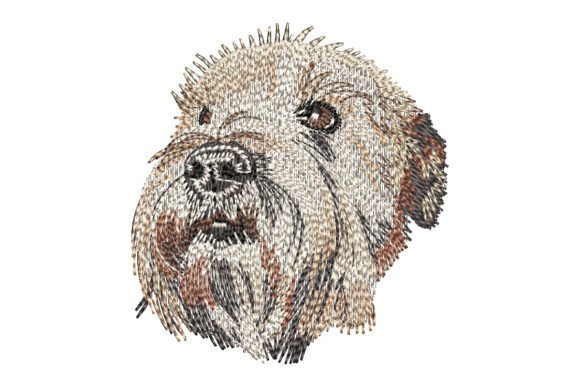
When you first load the machine embroidery design into your hoop software, the immediate draw is the focus on texture. The digitizer has clearly aimed to replicate the breed’s signature wavy coat rather than using solid, blocky fills. This approach gives the design a softer, more organic feel compared to traditional, rigid dog portraits. For designers creating home decor items or nursery decor, this softer aesthetic is often preferred because it feels warm and inviting rather than stark or graphic.
The detail level is quite high, particularly around the face. The expressive eyes are rendered with enough contrast to stand out without looking cartoonish. This balance is crucial for maintaining a premium look. If the eyes are too simplified, the piece can look cheap; if they are overly complex, the stitching may clump. In this case, the attention to the eye area suggests a thoughtful digitization process that prioritizes character over sheer complexity.
The color palette implied by the design—likely relying on warm wheat, gold, and tan tones—is naturally flattering on a wide variety of fabrics. These colors pair beautifully with neutral backgrounds, making the design versatile for various handmade product lines. Whether you are working with cream cotton or light denim, the Wheatie’s colors will likely pop without requiring excessive color changes.
Performance in Real-World Projects
I tested the concept of this design across several common product categories to see where it fits best. Here is how the Soft Coated Wheaten Terrier design might perform in different applications:
- Tote Bag Design: This is perhaps the most natural fit. A Wheaten Terrier on a canvas tote bag appeals to dog lovers who want a stylish, everyday accessory. The design’s medium size allows it to sit prominently on the front panel without overwhelming the bag’s structure.
- Sweatshirt Embroidery: For cozy fall or winter collections, a Wheaten on a crewneck sweatshirt adds a touch of whimsy. The wavy coat texture works well on the thicker fabric of sweatshirts, which provides good support for the stitches.
- Baby Items and Nursery Decor: Because of the friendly demeanor depicted, this design is excellent for baby blankets, burp cloths, or crib mobiles. Parents often seek animal themes that are cute but not overly childish, and the Wheaten strikes that balance perfectly.
- Embroidered Patch: If the design includes a clean border or is intended to be used as a patch, it could be applied to denim jackets or beanies. However, care must be taken with the edge finish to ensure the wavy fur doesn’t fray or look messy when cut.
- Kitchen Towels and Aprons: For the home cook who loves their dog, this design adds a personal touch to kitchen textiles. It is less about utility and more about emotional connection, which drives sales in the gift market.
Practical Considerations for Digitizers and Sellers
While the visual appeal is strong, any experienced embroiderer knows that aesthetics are only half the battle. Practical execution is what determines customer satisfaction and repeat business. Here are some critical factors to consider before adding this digital embroidery file to your shop inventory.
Hoop Size and Stitch Density: Always check the specified hoop size for this design. If the design is large, it may require a larger machine or multiple hooping attempts, which increases production time. Conversely, if it is small, ensure it isn’t so tiny that it gets lost on a large garment like a hoodie. Furthermore, review the stitch density. Designs with heavy fill stitches can become stiff and uncomfortable, especially on wearable items. A Wheaten’s coat should feel somewhat plush, but if the digitizer packed the stitches too tightly, the fabric may pucker or become rigid. I recommend checking the stitch distribution to ensure there is adequate spacing for the thread to lay flat.
Fabric Compatibility: This design may behave differently depending on the base material. On stretchy fabrics like jersey knit, you must use a proper stabilizer to prevent distortion. On textured fabrics, such as terry cloth or boucle, fine details might get obscured. Dark fabrics can also pose a challenge; if the Wheatie’s coat is stitched in lighter threads, ensure there is enough coverage to hide the dark background. Testing on scrap fabric is non-negotiable. Always run a test stitch-out to inspect small details after stitching, paying close attention to how the thread colors interact with your chosen fabric.
Layered Details and Satin Stitches: If the design uses satin stitch for outlines or features, check the width and length. Narrow satin stitches on dense areas can sometimes result in thread breaks or a rough texture. For a breed known for softness, the edges should be smooth and rounded. If the design relies heavily on running stitch for the wavy effect, ensure the tension is balanced so the lines don’t look loose or sloppy.
Impact on Product Value and Branding
Using a well-executed Soft Coated Wheaten Terrier design can significantly enhance the perceived value of your products. Buyers of handmade goods are often looking for items that reflect their personal identity. A Wheaten owner is likely proud of their pet’s unique look and energy. By offering a design that captures that specific breed’s charm, you are tapping into a passionate niche community.
This specificity builds buyer trust. When a customer sees a design that accurately represents their dog breed, they are more likely to believe that your brand pays attention to detail. This translates to better reviews and higher engagement on platforms like Etsy or Instagram. Additionally, the design’s versatility allows for creative marketing. You can create printable mockups showing the Wheaten on various products—a cap, a pillow cover, a tote—to help customers visualize the final result. High-quality visuals combined with a charming subject matter make for compelling product photography.
Furthermore, incorporating this design into your lineup supports brand consistency. If your shop focuses on dog lovers, having a diverse range of breeds (including popular ones like the Wheaten) shows breadth and expertise. It positions you as a go-to source for canine-themed embroidery, encouraging customers to return for other breeds or related accessories.
Final Verdict and Recommendations
Overall, the Soft Coated Wheaten Terrier design appears to be a strong candidate for commercial and personal use. Its focus on texture and expression aligns well with current trends in personalized gifts and boutique apparel. It is particularly suited for embroidered patches, tote bags, and nursery decor where a softer, more detailed aesthetic is desired.
However, success depends on proper execution. Before committing to bulk production, I strongly advise the following steps:
- Test on Scrap Fabric: Stitch the design on the exact fabric you plan to sell. Check for puckering, thread breaks, and color accuracy.
- Check Licensing: Review the Creative Fabrica product page carefully to confirm the license terms for commercial use. Ensure you have the right to sell finished items made with this design asset.
- Inspect File Details: Verify the recommended stabilizer type and any special instructions provided by the digitizer.
- Compare Mockups: Test the design on both light and dark fabric backgrounds to ensure the thread contrast is sufficient for visibility.
If these practical checks are passed, this design offers a delightful way to connect with dog-loving customers. It transforms a simple piece of fabric into a cherished keepsake, capturing the spirit of the Wheaten in every stitch. For designers seeking to add warmth and personality to their commercial embroidery offerings, this is a worthy addition to the library.