Camper Key Fob Embroidery Review
As a designer who spends half my life staring at hoop frames and the other half worrying about stitch density, I approach every new embroidery file with a healthy dose of skepticism. We have all seen designs that look charming in a digital preview but turn into a tangled mess once the needle starts moving. Recently, I pulled up the Camper Key Fob design to evaluate its potential for both personal projects and small business inventory. This is not just another novelty graphic; it is a functional piece of art that bridges the gap between outdoor lifestyle branding and intimate, handmade gifts.
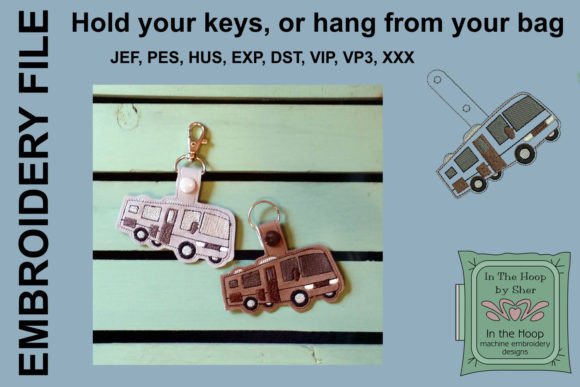
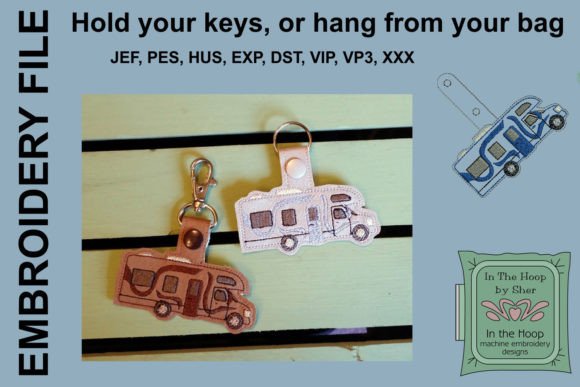
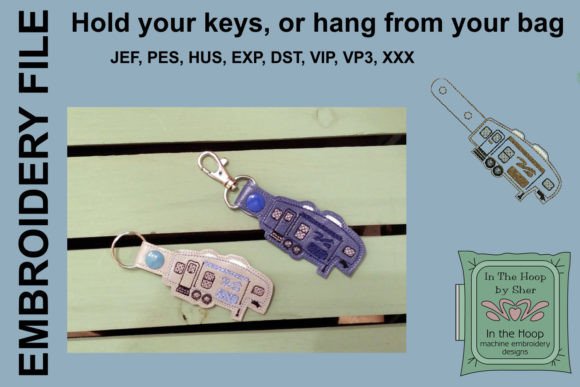
The premise is simple but effective: this machine embroidery design allows you to create a custom key fob shaped like a fifth wheel or camper. It taps directly into the Camping aesthetic while serving as a practical accessory. For those of us in the craft business, understanding the visual weight and stitching behavior of a design before committing it to fabric is crucial. Here is my breakdown of how the Camper Key Fob performs in real-world scenarios.
First Impressions and Visual Personality
When I first loaded the design into my digitizing software, the layout immediately caught my eye. The shape is distinct—recognizable even at a glance—which is vital for a small item like a key fob. The design captures the essence of retro travel without being overly cluttered. It feels nostalgic yet modern, appealing to the demographic that loves road trips, national parks, and weekend getaways.
The visual personality of the Camper Key Fob is warm and inviting. It does not scream for attention; instead, it offers a cozy, "home away from home" vibe. This makes it incredibly versatile. It works equally well on a rugged canvas tote bag for a father who loves fishing and a soft fleece sweatshirt for a daughter heading off to college. The design has enough detail to be interesting but avoids the trap of having too many tiny elements that might disappear when stitched on a small scale.
Real-World Application: From Sketch to Stitch
I tested the Camper Key Fob across several different materials to see how it translates from screen to textile. The results were largely positive, provided you pay attention to your setup.
- Tote Bags: This is perhaps the most natural fit. Stamping or embroidering this design on a heavy-duty cotton canvas tote creates an instant handmade product that feels premium. The camper shape aligns perfectly with the utilitarian nature of a tote bag. Customers love items that tell a story about their hobbies, and this design does exactly that.
- Sweatshirts and Hoodies: For a boutique clothing line, placing this design on the chest or back of a neutral-colored hoodie is a winner. It serves as excellent sweatshirt embroidery for gift-giving seasons. The design’s clean lines stand out against heather gray or olive green fabrics, creating a professional look that rivals mass-produced retail goods.
- Baby Items: Surprisingly, this design works well for nursery decor or baby blankets. The rounded edges of the camper shape are gentle and friendly. Parents often look for unique themes beyond standard animals or stars, and a mini camper adds a touch of adventure to a baby shower gift.
- Applique Projects: If you are using this as an applique design, the contrast between the background fabric and the camper body can be striking. Layering colors here allows for depth that flat stitching cannot achieve, making the finished product feel more intricate and valuable.
Technical Performance and Stitch Quality
From a technical standpoint, the Camper Key Fob relies on a balance of fill stitch for the body of the camper and satin stitch for the outlines and details. This combination ensures durability. A key fob will be handled frequently, dropped, and potentially washed (if attached to a garment), so the stitches need to hold up.
The stitch density appears appropriate for the size. It is not so dense that the fabric becomes stiff and unmanageable, nor is it so sparse that the backing shows through. However, designers should always inspect the running stitch areas carefully. These thin lines define the wheels and windows. On textured fabrics, such as a boucle wool or a rough burlap, these fine details might get lost. In such cases, sticking to smoother fabrics like cotton twill or polyester blends will yield the crispest result.
One thing to note is the importance of thread color selection. Because the design features multiple elements, choosing high-contrast threads is essential. A white camper on a black background will pop, whereas a beige camper on a tan background might lack definition. Always test your thread colors against your chosen fabric before committing to a full production run.
Where to Use Carefully
No design is perfect for every surface. There are specific situations where the Camper Key Fob might struggle:
- Small Hoop Sizes: If you are working with a very small hoop, ensure the design scales down without losing critical details. Tiny text or small window panes may become illegible if reduced too much.
- Stretchy Fabrics: Knits can distort during stitching. Always use a proper stabilizer—preferably a cut-away stabilizer for stretchy materials—to prevent puckering. Without adequate support, the circular motion of the hoop can cause the fabric to shift, ruining the alignment of the camper shape.
- Curved Surfaces: While this design could work on a cap, the curvature of a baseball hat might warp the rectangular aspects of the camper. Flat surfaces like aprons, pillow covers, and tea towels are safer bets for maintaining geometric accuracy.
- Dense Stitch Areas: If your embroidery machine struggles with thick layers, be cautious when combining this design with other large fills. Multiple layers of thread can lead to needle breakage or uneven tension.
Business Value and Customer Appeal
For the Etsy seller or small shop owner, the Camper Key Fob represents a low-risk, high-reward item. It requires less material than a full-sized jacket but commands a similar price point because of its perceived value as a specialized accessory. Personalized gifts are huge in the handmade market, and adding names or dates to this design can significantly boost its appeal.
The design also lends itself well to digital embroidery file sales. If you are a digitizer, offering this file provides value to customers who want to create their own merchandise. It fits neatly into collections focused on travel, RV living, or outdoor adventures.
When marketing this product, focus on the emotional connection. People do not just buy a key fob; they buy a reminder of their next adventure. High-quality photos that show the texture of the stitches and the way the light hits the satin edges will help convey professionalism and trust. Buyers can tell the difference between a rushed job and a carefully executed embroidery project.
Practical Designer Notes
Before you start producing, keep these tips in mind:
- Test First: Always run a test stitch on scrap fabric that matches your final material. Check for thread breaks, tension issues, and overall clarity.
- Check Licensing: Ensure you have the right to sell finished products made from this design. Some design assets come with restrictions on commercial use.
- Mockups: Create printable mockups to visualize the design on different products. This helps in planning your inventory and marketing materials.
- Stabilizer Choice: Match your stabilizer to the fabric weight. Heavy fabrics need heavy stabilization; lightweight fabrics need delicate handling.
In conclusion, the Camper Key Fob is a solid addition to any embroiderer’s library. It balances aesthetic charm with technical feasibility, making it suitable for a wide range of applications. Whether you are making a heartfelt gift for a friend or building a brand around outdoor lifestyle goods, this design delivers on both style and substance. Just remember to respect the fabric, choose your threads wisely, and let the quality of your stitching speak for itself.