Class C Key Fob Embroidery Design Review
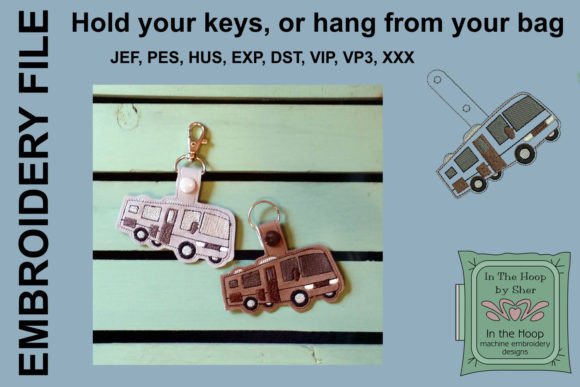
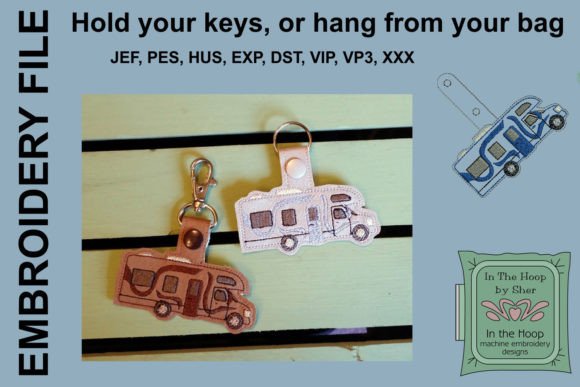
As an embroidery designer who spends a significant amount of time curating collections for boutique apparel, I am always on the lookout for designs that offer more than just a simple graphic. When browsing Creative Fabrica embroidery options for my upcoming seasonal line, I stumbled upon the Class C Key Fob. On the surface, it is categorized under Camping and labeled as a key fob or bag tag design, but my initial assessment suggests its potential extends far beyond small accessories. For those of us building a boutique brand focused on lifestyle and outdoor aesthetics, understanding how a specific machine embroidery design translates to larger garments is crucial.
I recently evaluated this file with the intention of incorporating it into a collection of sweatshirts and hoodies. Below is my professional review of how the Class C Key Fob performs as a custom apparel element, what visual mood it brings to a garment, and practical tips for executing it successfully on various fabrics.
Visual Personality and Mood Assessment
The first thing you notice when loading the embroidery file into your software is the visual weight of the design. The Class C Key Fob carries a distinct personality that balances rustic charm with modern minimalism. It does not scream for attention like a large, chaotic graphic; instead, it offers a quiet confidence. This makes it an excellent candidate for the "quiet luxury" trend currently dominating the handmade market.
In terms of detail level, the design appears to have enough intricacy to showcase thread quality without becoming cluttered. For a sweatshirt embroidery project, this is vital. You want a design that reads well from a distance but rewards closer inspection. The aesthetic feels playful yet classic, making it suitable for a wide demographic. It avoids being overly feminine or aggressively masculine, which broadens its appeal for unisex clothing lines. If you are aiming for a small shop product that feels premium, this design’s clean lines and structured shape provide that elevated look without requiring expensive specialty threads.
Application on Boutique Apparel
While designed as a key fob, the Class C Key Fob has surprising versatility when scaled appropriately for apparel. Here is how I envision it performing across different garment types:
- Sweatshirt and Hoodie Chest Placement: This is perhaps the strongest use case. Placing the design on the left chest of a neutral-colored crewneck creates a sophisticated, understated brand mark. It works particularly well on oatmeal, sage green, or charcoal gray fabrics where the contrast allows the stitching to pop without overwhelming the wearer.
- Sleeve Accents: For a trendy, youthful vibe, scaling the design down slightly for the cuff or upper sleeve of a hoodie can add a unique touch. It breaks up the monotony of plain sleeves and adds a "handmade" feel that customers love.
- Back Designs: While the design is compact, using it as part of a larger back print arrangement—perhaps paired with minimal typography—can create a cohesive narrative about outdoor living. However, as a standalone back piece, it may lack the visual impact needed for oversized garments unless heavily scaled.
- Tote Bags and Canvas Totes: This is a natural fit. The rugged nature of canvas pairs beautifully with the camper theme. It serves as an excellent commercial embroidery item for gift sets or promotional merchandise.
- Denim Jackets: Embroidering this onto the back pocket of a denim jacket adds a subtle patch-like effect. The texture of denim complements the stitch density well, provided the hoop size accommodates the curve of the pocket.
Strategic Considerations for Production
Before committing to a full production run, there are several areas where designers must exercise caution. The Class C Key Fob, while charming, requires careful handling to maintain a professional finish.
Fabric Texture and Stretch: Embroidery on stretchy fabrics like fleece or ribbed cuffs can lead to puckering if the stabilizer choice is incorrect. The design likely contains areas of dense stitching. If placed directly over a seam or a highly textured fabric, the needle penetration may be inconsistent, leading to skipped stitches. Always test on scrap fabric that matches the final garment’s weight and stretch.
Dense Stitch Areas: Inspect the stitch density in your digitizing software. If the design uses too many fill stitches in a small area, it may become stiff and uncomfortable against the skin, especially on lightweight t-shirts. For heavier hoodie design applications, this stiffness is less noticeable, but for summer tees, you might need to adjust the underlay or reduce the density if the software allows.
Thread Color Contrast: The success of this design hinges on thread selection. On dark garments, ensure you are using high-coverage white or metallic threads to prevent the design from looking muddy. Conversely, on pastel hoodies, lighter thread colors might get lost. Experimenting with tonal-on-tonal embroidery (e.g., navy thread on navy fabric) can create a very high-end, subtle look that aligns with current fashion trends.
Placement and Hoop Size: Confirm the hoop size required by the file. If the design is large relative to standard hoops, you may need to re-hoop, which increases production time and the risk of misalignment. For consistent results in a batch, single-hoop designs are preferable. Additionally, consider the curvature of the garment. A flat chest panel is ideal, but embroidering on a curved shoulder or sleeve requires specialized techniques to keep the design flat and readable.
Impact on Brand Identity and Value
Using a well-digitized design like the Class C Key Fob can significantly enhance your brand identity. It signals to customers that you pay attention to detail. When a buyer sees a neatly executed finished product with no loose threads or distorted shapes, their trust in your Etsy seller profile or online store increases. It transforms a commodity item into a curated experience.
Furthermore, this design lends itself well to printable mockups and social media graphics. Because the visual mood is so distinct, you can easily style photos around it—pairing the embroidered hoodie with camping gear, coffee cups, or autumn leaves. This visual consistency helps in creating engaging content that drives traffic to your listings.
Practical Designer Notes for Success
To ensure the Class C Key Fob delivers the best results for your digital embroidery file projects, follow these steps:
- Test on Scrap Fabric: Never skip this step. Test the design on the exact fabric you plan to sell. Check for puckering, thread breakage, and stability.
- Check Stabilizer Choice: Use a cut-away stabilizer for knits and heavy fleece to prevent distortion over time. Tear-away may suffice for woven cottons, but cut-away is safer for long-term durability.
- Review Thread Colors: Lay out your thread spools before starting. Ensure the chosen colors match your brand palette and offer sufficient contrast against the garment.
- Confirm Licensing: Before selling any finished apparel, double-check the Creative Fabrica product details and licensing terms. Ensure you have the right to sell physical items made from the design.
- Inspect Stitch Density: Zoom in on the digital preview. Look for areas where stitches might overlap excessively or leave gaps. Adjust if necessary to improve the tactile feel of the embroidery.
In conclusion, the Class C Key Fob is a versatile asset for any embroidery designer looking to expand into apparel. Its blend of rustic charm and clean execution makes it suitable for everything from cozy winter hoodies to casual summer totes. By paying close attention to fabric choice, stabilizer usage, and thread contrast, you can transform this simple design into a standout piece for your handmade product collection. It is a smart addition to your library for anyone serious about creating professional, market-ready custom apparel.