Dance Machine Embroidery Design Review
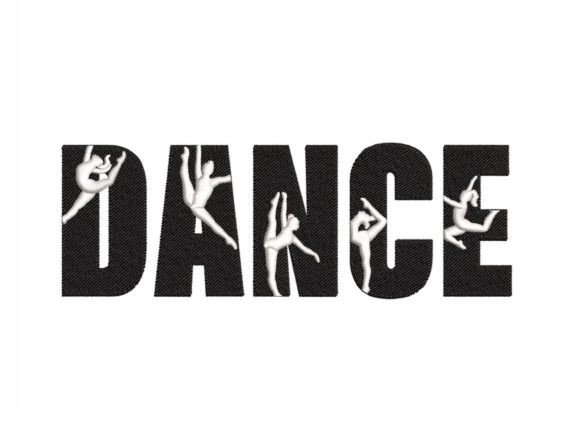
As an embroidery designer who spends countless hours refining digitized files for boutique collections, I am always looking for designs that balance artistic flair with commercial viability. When browsing Creative Fabrica embroidery options for a new seasonal drop, the Dance design caught my eye immediately. It is described as a machine embroidery design featuring dance lettering and a ballerina dancing pattern. This combination of typography and figure work offers a unique opportunity to create cohesive apparel lines that appeal to dancers, performers, and lovers of graceful aesthetics.
I recently evaluated this file with the intention of incorporating it into a small sweatshirt and hoodie collection for my online shop. Below is my professional review of how Dance performs in real-world application, its visual impact on various garments, and practical tips for decorators looking to use this digital embroidery file effectively.
First Impressions and Visual Personality
The first thing you notice about Dance is its strong visual personality. The interplay between the stylized lettering and the dynamic pose of the ballerina creates a sense of movement that static images often lack. From a design judgment perspective, the file feels premium yet accessible. It strikes a balance between being cute and bold, making it versatile enough for both casual wear and performance-related merchandise.
The decorative strength of the design lies in its detail level. The stitching mood is elegant but not overly fussy. For those building a boutique brand, this distinction is crucial. You want a product that looks high-end in photos but remains relatable to the everyday customer. Dance achieves this by using clean lines in the lettering while allowing the ballerina figure to carry more intricate texture. Whether you are aiming for a trendy, feminine look or a classic, timeless aesthetic, this design provides a solid foundation.
Application on Boutique Apparel
One of the primary goals of any small clothing brand or Etsy seller is versatility. Can one design work across multiple garment types? In my testing, Dance proved to be highly adaptable.
Sweatshirts and Hoodies
The most natural home for this design is on neutral sweatshirts. I found that placing Dance on the chest of a heather grey or oatmeal-colored hoodie allowed the thread colors to pop without overwhelming the garment. The design’s scale works well for standard chest placement, offering a professional presentation that signals quality to potential buyers.
For a more modern take, consider using Dance as a back design on oversized garments. The larger canvas allows the full extent of the ballerina pattern to breathe, creating a statement piece that stands out in lifestyle product photos. Additionally, smaller accents derived from the lettering can be placed on sleeves, adding a subtle touch of branding that appeals to younger demographics.
T-Shirts and Denim Jackets
While designed for heavier fabrics, Dance translates surprisingly well to t-shirt embroidery. On a crisp white tee, the contrast is sharp and clean. However, care must be taken with stitch density to ensure the design does not feel too heavy on lightweight cotton. For denim jackets, the rugged texture of the fabric complements the elegance of the ballerina motif, creating a juxtaposition that is very popular in contemporary fashion.
Lifestyle and Accessory Products
Beyond apparel, this machine embroidery design is excellent for tote bags and pillowcases. A canvas tote embroidered with Dance serves as both a functional item and a walking advertisement for your brand. The durability of the embroidery ensures that the design remains intact even after repeated washing, which is a key factor in maintaining buyer trust and product recognition.
Strategic Placement and Garment Considerations
Not all placements are created equal. As an experienced designer, I advise caution when applying Dance to certain areas of a garment. Here are some critical considerations:
- Small Chest Placement: Ensure the design is scaled appropriately. If the lettering becomes too tiny, legibility suffers, reducing the overall impact of the custom apparel.
- Dense Stitch Areas: Inspect the stitch density closely. High-density areas can pucker lightweight fabrics. Always test on scrap fabric similar to your final garment material.
- Stretchy Fabric and Fleece: Ribbed fabric and stretchy materials require careful stabilizer choice. Without proper support, the tension of the Dance design may distort the knit, leading to a wrinkled appearance.
- Dark Garments: Thread color contrast is vital. Dark backgrounds demand lighter or metallic threads to make the design visible. Check the recommended thread colors provided with the file to ensure maximum visibility.
- Curved Surfaces: Avoid placing rigid, large designs on curved surfaces like the shoulder seam unless you are using specialized 3D puff techniques. Flat embroidery works best on flat panels.
Impact on Brand Identity and Value
Using a well-crafted digital embroidery file like Dance directly influences perceived value. Customers associate high-quality embroidery with professionalism and attention to detail. When a buyer sees a consistent visual style across your handmade products, it builds credibility.
Furthermore, a striking design enhances social media graphics and printable mockups. A photo of a model wearing a hoodie with the Dance design captures attention faster than text-only listings. This visual consistency helps in commercial embroidery marketing, where the image is the first point of contact with the consumer. By investing in designs that offer strong decorative strength, you are essentially investing in higher conversion rates and customer engagement.
Practical Designer Notes for Production
Before committing to a full production run, follow these essential steps to ensure the success of your finished product:
- Test on Scrap Fabric: Never skip this step. Test the design on the exact fabric type you plan to use to check for puckering or needle breakage.
- Check Stabilizer Choice: Depending on the garment weight, you may need cut-away or tear-away stabilizers. The right choice prevents distortion.
- Confirm Hoop Size: Verify that your hoop size accommodates the full dimensions of the Dance design. If the design exceeds your standard hoop, you will need to rehoop, which can affect alignment.
- Inspect Stitch Density: Look for areas where stitches may be too close together, which can cause thread breaks, or too sparse, which can leave fabric visible.
- Review Licensing: Always check the Creative Fabrica product details and licensing terms before selling finished apparel. Understanding the commercial rights ensures you stay compliant and protect your business.
Conclusion
The Dance machine embroidery design is a valuable addition to any decorator’s library. Its blend of elegant lettering and dynamic figure work makes it suitable for a wide range of small shop products, from cozy seasonal outfits to stylish tote bags. By paying attention to fabric selection, stabilizer usage, and placement strategy, you can leverage this design to create professional, high-value items that resonate with your audience. For those looking to expand their boutique brand offerings with a touch of grace and movement, Dance is a compelling choice worth considering.