Peacock Paisley Design Review
As an experienced embroidery designer, I spend most of my days evaluating digital files not just for their aesthetic appeal, but for their viability in commercial production. When a new machine embroidery design lands on my desk, particularly one intended for small business merch, I look beyond the screen. I think about stitch density, thread contrast, scalability, and how the final finished product will sit on a customer’s shirt or bag. Today, I am reviewing the Peacock Paisley design, a file described as a stunning work of art that adds elegance to clothing, home décor, and bags. This review is tailored for embroidery shop owners, apparel decorators, Etsy sellers, and brand creators who need to know if this design is ready for prime time.
First Impressions: Elegance Meets Complexity
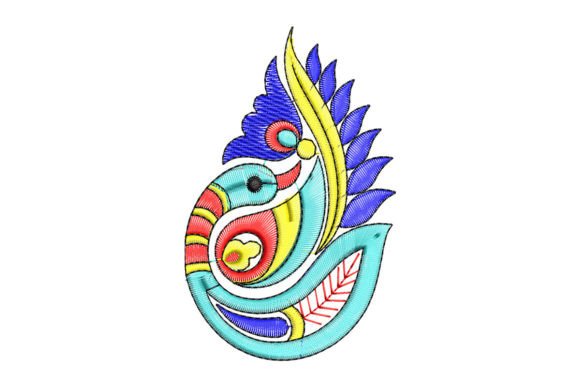
The title "Peacock Paisley" suggests a fusion of two distinct visual languages: the organic, fan-like splendor of peacock feathers and the intricate, swirling symmetry of traditional paisley motifs. From a design perspective, this combination promises high visual impact. The description highlights that this pattern effortlessly adds personality, which is exactly what boutique brands are looking for. It feels premium, elegant, and slightly rustic, making it versatile enough for a variety of industries.
However, complexity is a double-edged sword in embroidery. While the design looks beautiful in a digital mockup, the real test is whether those intricate details translate well into thread. For a small business owner, the appeal here is clear: a single design can serve multiple purposes, from a subtle chest logo accent to a bold statement piece on a tote bag. The "Birds" category classification hints at natural elements, while the "Embroidery" type confirms its utility for textile applications. But does it hold up under the needle?
Real-World Business Applications
To determine the true value of the Peacock Paisley design, we must look at where it fits in a commercial workflow. Here is how this embroidery file performs across various merchandise categories:
- Emblematic Patches: This design has strong potential for use as an embroidered patch. The circular or contained nature of paisley patterns often works well when bordered, creating a cohesive badge for staff uniforms or denim jackets. If the outline is clean, it can serve as a standout logo for creative studios or florists.
- Apparel Accents: For custom apparel, this design shines as a sleeve detail or a back-yoke feature. It is less likely to work as a tiny left-chest logo unless digitized specifically for smaller scales. However, on the back of a work shirt or the cuff of a chef’s coat, the elaborate details can be fully appreciated.
- Tote Bags and Aprons: As a tote bag design, the peacock theme pairs beautifully with canvas or heavy cotton. Similarly, for apron embroidery, it adds a touch of sophistication suitable for bakeries, cafes, or craft workshops. It elevates a utilitarian item into a branded experience.
- Caps and Headwear: Cap embroidery requires careful consideration. The curved surface of a cap front can distort fine details. If the paisley swirls are too tight, they may merge together on a baseball cap. It is better suited for structured caps with larger panels or for placement on the side/back where curvature is less pronounced.
- Product Packaging and Labels: Beyond garments, this design can be used on fabric labels sewn into handmade products. It reinforces brand identity by adding a tactile, luxurious feel to packaging for jewelry, candles, or artisanal goods.
Strategic Placement and Cautionary Areas
Not every part of the design is created equal, and smart placement is key to avoiding production headaches. There are specific areas where Peacock Paisley needs careful handling:
- Small Patch Sizes: If you plan to produce small patches (under 2 inches), you must inspect the stitch density. Fine lines in paisley patterns can bleed together if the stitches are too close or the fabric is too loose. Test this rigorously before committing to bulk orders.
- Curved Surfaces: Avoid placing the most intricate parts of the design on highly curved surfaces like the front of a fitted hat or the shoulder seam of a tight-fitting t-shirt. Distortion will ruin the symmetry that makes paisley so appealing.
- Dark Uniforms: On dark fabrics, the contrast of thread colors becomes critical. Peacock designs often rely on blues, greens, and golds. Ensure your thread selection provides enough contrast against the base fabric, or the design will get lost visually.
- Frequent Washing: For items like aprons or work shirts that undergo frequent industrial washing, high-detail designs can fray over time. Reinforce the edges with appropriate satin stitches and ensure the stabilizer is removed cleanly to prevent stiffness.
Impact on Brand Identity and Customer Trust
In the world of handmade products and boutique branding, presentation is everything. A well-executed Peacock Paisley design signals professionalism and attention to detail. When a customer sees a consistent, high-quality embroidery on a tote bag or a uniform, it builds trust. It suggests that the business cares about quality control and aesthetics.
This design supports a brand identity that values artistry and tradition. It appeals to customers who appreciate unique, non-mass-produced items. By using this digital embroidery file strategically, businesses can differentiate themselves in crowded markets like Etsy or local craft fairs. The visual consistency provided by repeating this motif across different product types—caps, bags, and shirts—creates a recognizable brand language.
Practical Designer Notes for Production
Before you upload this file to your embroidery machine for production runs, follow these essential steps to ensure success:
- Black and White Test: Convert the design to black and white in your digitizing software. This helps you see the structure and spacing without the distraction of color. If the shapes don’t read clearly in grayscale, they won’t read clearly in thread.
- Check Hoop Size: Confirm the recommended hoop size for the design. Ensure your machines have the necessary hoops available to accommodate the full scale of the paisley pattern without requiring re-hooping, which can misalign the design.
- Stabilizer Selection: Use the proper stabilizer for your fabric texture. Heavy stabilizers are often needed for dense paisley fills to prevent puckering, especially on lightweight tees or delicate linens.
- Thread Color Contrast: Review the thread colors carefully. Do they pop? Do they blend too much? Create a physical sample to judge the colorfastness and visual weight of each thread segment.
- Mockups for Approval: Always create a printable mockup for client approval. Show them how the design looks on the actual garment or accessory. This manages expectations and reduces returns due to misunderstood scale or style.
- Commercial Licensing: Finally, confirm your commercial licensing rights. Just because you bought the file does not always mean you can sell unlimited merchandise. Check the terms to ensure you are protected for your business model.
In conclusion, Peacock Paisley is a strong candidate for businesses seeking to add a touch of elegance to their design assets. With careful planning regarding placement, fabric choice, and production testing, it can become a signature element of your brand’s visual identity. Treat it with respect, test it thoroughly, and it will reward you with high-quality, professional results.