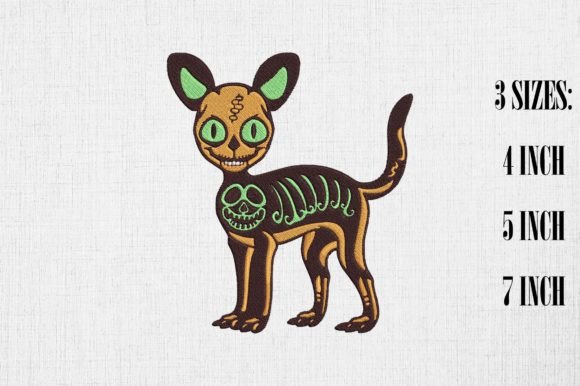
Skeleton Dog Embroidery Design Review
As an experienced embroidery designer who has spent years refining digital files for commercial production, I approach every new embroidery file with a critical eye. When evaluating assets for small business merch, the goal is never just aesthetic appeal; it is about production viability, brand cohesion, and customer retention. Today, I am reviewing the Skeleton Dog design, a Halloween-themed asset that promises versatility across various textile applications. This review focuses on how this design performs in real-world business scenarios, from branded patches to custom apparel.
First Impressions and Visual Personality
The Skeleton Dog design immediately strikes a balance between playful and professional. In the crowded market of seasonal decorations, many designs lean too heavily into "spooky" or chaotic aesthetics, which can alienate customers looking for subtle branding. However, this design feels distinctly handmade yet polished. The silhouette is bold enough to be recognized at a glance, yet detailed enough to showcase the quality of the stitching.
From a design perspective, the lines are clean, suggesting a high-quality machine embroidery design. It does not feel cluttered, which is a common pitfall in digitized skeleton motifs. For a small café, boutique, or creative studio, this visual personality works exceptionally well. It conveys a sense of fun without sacrificing the premium feel required for branded merchandise. The design suggests a rustic, friendly vibe that aligns perfectly with handmade brands and artisanal products.
Commercial Applications and Brand Identity
One of the primary questions for any entrepreneur is: where does this design fit? The Skeleton Dog is remarkably versatile. Here is how it translates across key product categories:
- Embroidered Patches: This design excels as a sew-on or iron-on patch. Its contained shape makes it ideal for placement on denim jackets, backpacks, or tote bags. A well-executed patch elevates the perceived value of the item, turning a basic accessory into a statement piece.
- Apron Embroidery: For bakeries, florists, or craft studios, this design serves as a charming accent on work aprons. Placed on the chest pocket or near the hem, it adds a touch of personality to staff uniforms without being distracting during service.
- Cap Embroidery: The compact nature of the dog motif allows it to sit neatly on the front panel of baseball caps or beanies. It offers a unique alternative to standard logos, helping brands stand out in event merchandising.
- Tote Bag Design: As a central focal point on canvas totes, the design benefits from the natural texture of the fabric. It reinforces a brand identity that is approachable, creative, and community-focused.
- Custom Apparel: Whether on baby onesies, t-shirts, or home decor items like tablecloths, the design bridges the gap between festive and everyday wear. It allows businesses to extend their reach beyond peak Halloween seasons by integrating the design into year-round collections.
When used consistently across these touchpoints, the Skeleton Dog strengthens brand identity. Customers associate the specific style of the dog with the quality of the business. This visual consistency builds trust and recognition, encouraging repeat purchases and word-of-mouth referrals.
Impact on Customer Trust and Product Value
In the world of handmade product sales, presentation is everything. A crisp, well-stitched Skeleton Dog signals attention to detail. It tells the buyer that the seller cares about the final output. Conversely, a poorly executed design can undermine even the best product. By choosing a balanced design like this one, sellers enhance the finished product's value, justifying higher price points and reducing return rates due to dissatisfaction with quality.
Technical Considerations for Production
While the visual potential is high, successful commercial use requires careful technical planning. Not all fabrics and machines handle complex outlines equally. Here are essential notes for anyone considering this design for production:
- Test in Black and White First: Before committing to thread colors, digitize or print the design in black and white. This helps evaluate the balance of negative space and ensures the dog’s features remain distinct regardless of color choices.
- Check Stitch Density: High stitch density can cause puckering on lightweight fabrics like thin cotton tees or delicate linen. Ensure the stitch density is appropriate for your target material. If the design is too dense, consider simplifying the underlay stitches.
- Review Thread Color Contrast: The effectiveness of the design relies heavily on contrast. On dark uniforms or fabric texture like denim, light threads may get lost. Test various thread colors against your actual stock materials to ensure visibility.
- Confirm Hoop Size: Verify the recommended hoop size for the digital file. If the design exceeds standard hoop dimensions, you may need multi-hooping techniques, which increase production time and risk of misalignment.
- Use Proper Stabilizer: To maintain shape integrity, especially for embroidered patches or items subjected to frequent washing, always use a stabilizer that matches the fabric weight. Tear-away stabilizers work well for woven garments, while cut-away may be necessary for stretchy knits.
Strategic Placement and Limitations
There are specific scenarios where caution is advised. While the design is robust, certain placements can compromise its impact:
- Small Patch Sizes: If scaling the design down too much, fine details may merge together. Avoid using this design for micro-patches smaller than 2 inches unless the digitization is specifically optimized for miniaturization.
- Curved Surfaces: Embroidering on curved surfaces like cap fronts or rounded bottle holders requires precise tension control. Improper tension can lead to thread breaks or uneven stitches.
- Dark Uniforms: On very dark backgrounds, ensure the outline is thick enough to define the shape. Thin outlines can disappear, making the design look incomplete.
- Frequent Washing: For items like kitchen towels or work shirts that undergo heavy laundering, ensure the design uses durable stitch types to prevent fraying over time.
Final Verdict for Business Owners
The Skeleton Dog is a strong candidate for commercial embroidery projects aimed at small businesses, Etsy sellers, and local brands. Its blend of playful charm and professional execution makes it suitable for a wide range of applications, from apron embroidery to tote bag design.
To maximize its potential, creators should create a printable mockup for client approval before bulk production. Compare it beside other design assets in your portfolio to ensure it fits the overall aesthetic. Most importantly, confirm commercial licensing terms before selling finished goods. With proper preparation and attention to technical details, this design can become a staple in your catalog, driving engagement and boosting sales through distinctive, high-quality branded merchandise.