Three Bees Embroidery Design Review
As an experienced embroidery designer who spends weekends navigating the chaos of craft fairs and handmade markets, I know that a design’s success is rarely just about how pretty it looks on a screen. It is about how it performs under bright lights, how it photographs for online listings, and whether it compels a passerby to stop at your booth. When I first encountered the Three Bees design, categorized under Bugs in the Embroidery niche, my immediate reaction was one of cautious optimism. The description promises intricate detail and vibrant colors, which are high-risk, high-reward elements in machine embroidery. Today, I am breaking down exactly how this machine embroidery design translates from digital file to physical crafter fair product.
First Impressions: Bold, Busy, or Beautifully Detailed?
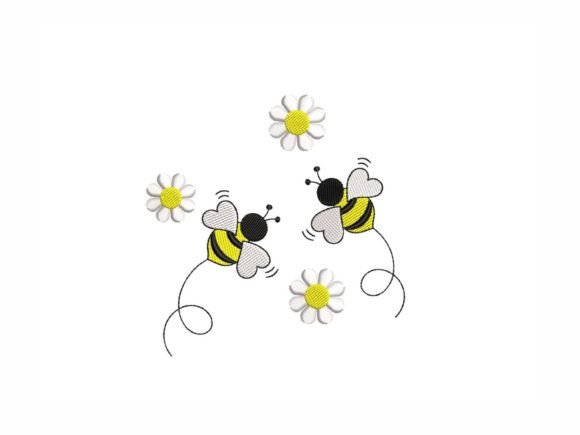
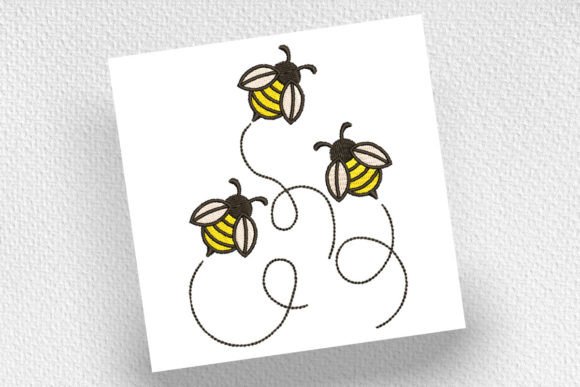
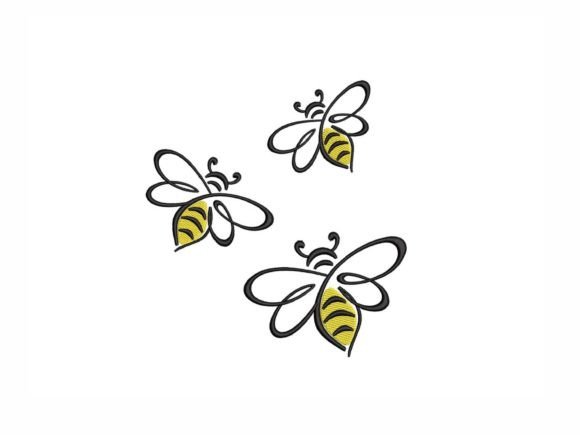
The title "Three Bees" suggests a simple, perhaps minimalist approach, but the description hints at something far more complex. Buzzing into stitching projects with "intricate detail" and "delicate wings" tells me this is not a quick, fill-heavy pattern meant for mass production in seconds. Instead, it feels like a decorative piece that requires patience. In the world of handmade products, complexity often signals premium quality, provided the execution is flawless. If the bees look crisp, they will read as charming and whimsical. If the details merge, they will look muddy and cheap.
This design likely leans toward a modern, slightly rustic aesthetic. It fits perfectly within the current trend of nature-inspired decor that dominates platforms like Etsy. For an Etsy seller or boutique maker, the visual appeal here is strong because it taps into the universal love for pollinators and garden themes. However, the challenge lies in the "intricate" nature. Intricate designs demand high thread counts and precise tension settings. They are not forgiving errors. This means the embroidery file must be of high technical quality to ensure those delicate wings do not pucker the fabric.
Product Potential: Where Does Three Bees Shine?
Not all items are created equal when displaying a detailed design like Three Bees. Based on my experience preparing table displays, certain substrates will make this design pop, while others will swallow its character. Here is where I see the highest potential for sales:
- Tote Bags: A tote bag design featuring these bees is a natural fit. Canvas provides a sturdy, neutral background that allows the vibrant thread colors to stand out. The size of a standard tote allows enough room for the three bees to breathe, preventing the design from feeling cramped. This is a staple small shop product that moves quickly at markets.
- Apron Embroidery: Placing this on the pocket or chest area of a linen apron adds a touch of farmhouse charm. The contrast between the soft fabric texture and the structured stitches of the bees creates a tactile appeal that customers love to touch. An apron embroidery piece like this feels personal and giftable.
- Tea Towel Embroidery: Linen tea towels are another excellent candidate. The slight roughness of the linen can actually help hide minor stitch imperfections, making it a safer bet for beginners while still looking professional. A set of two tea towels with Three Bees makes for a high-value bundle.
- Embroidered Patch: Converting this into an embroidered patch is a smart move for versatility. Patches allow customers to apply the design to jackets, hats, or backpacks themselves. This expands the reach of your design assets beyond just finished goods.
- Fabric Pouches and Pillow Covers: Small zippered pouches for makeup or knitting supplies offer a compact way to showcase the detail. Similarly, a square pillow cover can turn this into home decor, appealing to buyers looking for unique accents rather than apparel.
Conversely, I would advise caution with curved surfaces like caps. While popular, the curvature can distort intricate wing details, causing them to lose clarity unless you use specialized cap hoops and stiffeners. For a busy market booth, flat items are easier to display and inspect.
Practical Selling and Production Points
When evaluating a design for batch production, efficiency is key. How easy is Three Bees to understand at a glance? From a customer’s perspective, the answer is yes—bees are instantly recognizable symbols. You don’t need to squint to know what the subject is. This makes it highly effective for printable mockups used in digital marketing. A clear photo of the bees on a cream-colored tote will stop the scroll on social media.
However, production-wise, intricate designs take longer to stitch. As a commercial embroidery business owner, you must calculate your time carefully. If the stitch density is high, you might be limited to producing five units an hour instead of twenty. This affects your pricing strategy. You cannot price this item as a budget-friendly impulse buy; it should be positioned as a premium, artisanal good. This positioning aligns well with the expectations of buyers at higher-end craft fairs.
Photography is also crucial. Because the design features "delicate wings," lighting plays a huge role. Harsh shadows can obscure the fine lines. When creating your Etsy listings, ensure you have close-up shots that highlight the texture of the threads. Show the difference between the body of the bee and the transparency of the wings if possible. This attention to detail reinforces the perceived value of the finished product.
Careful-Use Notes and Technical Warnings
Before you commit to producing inventory, there are several technical pitfalls to avoid. Intricate designs often suffer from "thread breaks" or "bird's nests" if the machine is not properly calibrated. Pay close attention to the stitch density; if the areas are too dense, the fabric may pucker, ruining the drape of a tote bag or towel.
Another common issue is color blending. If the bees use many shades of yellow and black, ensure the transition threads are clean. Muddy colors suggest low-quality thread or poor digitizing. Always check thread contrast against your chosen fabric. On dark fabrics, the vibrant colors might get lost unless you use a high-density underlay, which adds bulk. On light fabrics, you risk seeing the stabilizer through the stitches if the coverage isn't perfect.
Small details are the enemy of scalability. If you plan to scale this design down for smaller items like hair bows or tiny pouches, test it first. Often, intricate designs lose their definition when reduced below a certain width. The delicate wings may disappear entirely, leaving just a blob of color. Confirm the minimum viable hoop size before designing your packaging or marketing materials around small versions.
Designer’s Checklist for Success
To ensure Three Bees becomes a bestseller rather than a regret, follow this practical checklist derived from years of booth experience:
- Test on Scrap Fabric: Never go straight to your final product. Stitch the design on the exact type of fabric you intend to sell. Check for puckering, thread tension issues, and color accuracy.
- Review Spacing and Hoop Size: Ensure the design fits comfortably within your hoop without being cut off by seams or edges. Proper spacing prevents distortion.
- Inspect Stitch Density: Look closely at the digitizing. Are the satin stitches clean? Is the fill even? High-quality digitizing is invisible; bad digitizing is obvious.
- Use the Right Stabilizer: Intricate designs often require tear-away or cut-away stabilizers depending on the fabric stretch. Using the wrong stabilizer is a leading cause of misalignment.
- Create Real Mockups: Don’t rely solely on digital renders. Create at least one real sample to photograph. The way light hits the actual threads is different from a screen image.
- Confirm Commercial Licensing: Before selling any commercial embroidery items, verify that your digital embroidery file license permits commercial use. Many designers restrict sales to personal use only.
In conclusion, Three Bees has the potential to be a standout item in your portfolio. It combines a popular theme with a level of detail that suggests craftsmanship. By choosing the right substrates, managing production expectations, and presenting it with high-quality photography, you can turn this design into a profitable addition to your handmade product line. Just remember: in embroidery, preparation is everything. Test thoroughly, stitch carefully, and let the beauty of the bees speak for itself.